Why construction dust needs its own plan
Drywall sanding and concrete cutting throw off a powder fine enough to float for hours and settle long after the saws go quiet. It works its way into supply vents and returns, light fixtures, window tracks, the inside of cabinets and every ledge above eye level. A regular nightly crew dusting with dry cloths only lifts it into the air, and by morning it has landed on the desks again.
That's why post-construction crews capture dust instead of moving it. HEPA vacuums pull it out of corners and off soft surfaces, and damp wiping holds it on the cloth. They also start at the highest point in each room and work down, so nothing they knock loose lands on a surface they already finished.
The three phases, task by task
Each phase has a different job. Trying to do a final-level clean while trades are still on site wastes labor, because the next round of work just brings the dust back. Use this table to see where each task usually lands so you can line up the crew with the construction schedule.
| Task | Phase | What to watch for |
|---|---|---|
| Sweep up loose debris and scraps | Rough clean | Big debris removal and dumpsters usually belong to the general contractor |
| HEPA vacuum floors, sills and ledges | Rough clean, then again at the final | Dry sweeping fine dust only spreads it |
| Vacuum and wipe vent covers and returns | Final clean | Filter changes are the HVAC contractor's or the building's decision |
| Damp wipe light fixtures and lenses | Final clean | Power off and fixtures cool before anyone touches them |
| Window tracks, frames and interior glass | Final clean | Check the glass maker's guidance before scraping |
| Remove stickers, labels and protective film | Final clean | Film left on too long in a hot building can bond to the surface |
| Take paint and adhesive drips off hard surfaces | Final clean | Match the scraper and product to glass, metal or the new finish |
| Wipe inside cabinets, drawers and shelves | Final clean | Dust collects inside even when doors stayed shut |
| Clean floors for their finish | Final clean | New tile, sealed concrete and carpet each get different care |
| Spot wipe glass, fixtures and touch points | Touch-up before move-in | Catches dust from furniture delivery and late punch list fixes |
Final clean checklist for a commercial space
The final clean is the pass most people mean when they talk about post-construction cleaning. It's what the space has to look like for an inspection, a turnover to the tenant or a landlord walk. Print this list and check it room by room, because one missed closet or breakroom cabinet is usually what turns up on the punch list.
- Ceiling vents, returns and diffusers vacuumed and wiped
- Light fixtures, lenses and exit signs dust free
- Tops of doors, door frames and trim wiped
- Window sills, tracks, frames and interior glass cleaned
- All stickers, labels and protective film removed
- Paint, caulk and adhesive drips taken off hard surfaces
- Cabinets and drawers wiped inside and out
- Restroom fixtures, partitions, mirrors and dispensers cleaned
- Outlet covers, switch plates and handrails wiped
- Floors cleaned to suit the new finish
New floors need care that fits the finish
Floors are where a rushed final clean does the most lasting damage. New resilient tile often arrives without a protective finish, so the provider may need to apply coats before anyone walks on it daily. Sealed concrete wants a neutral cleaner that won't eat into the sealer, and new carpet needs a thorough HEPA vacuuming to get grit out of the pile before it gets ground in.
Ask the general contractor or flooring installer for the care sheets on every new floor and pass them to the cleaning company before it quotes. A crew that knows the product can plan the right pads, chemicals and drying time, and you avoid voiding a warranty in the first week.
Settle who does what before the crew arrives
Most disputes on construction cleanups come from assumptions nobody wrote down. The general contractor thinks the cleaners will haul off the last of the debris, the cleaners think the dumpster is someone else's problem, and the punch list sits open. A short written split of duties fixes that before the first day on site.
- Debris haul-off and dumpsters, usually the general contractor
- Replacing HVAC filters, the HVAC contractor or the building
- Building access, keys and the hours the crew can work
- Whether power and running water will be on
- Site safety rules, required gear and sign-in steps
- Who joins the final walk-through with the punch list
Build-outs and renovations around Little Rock
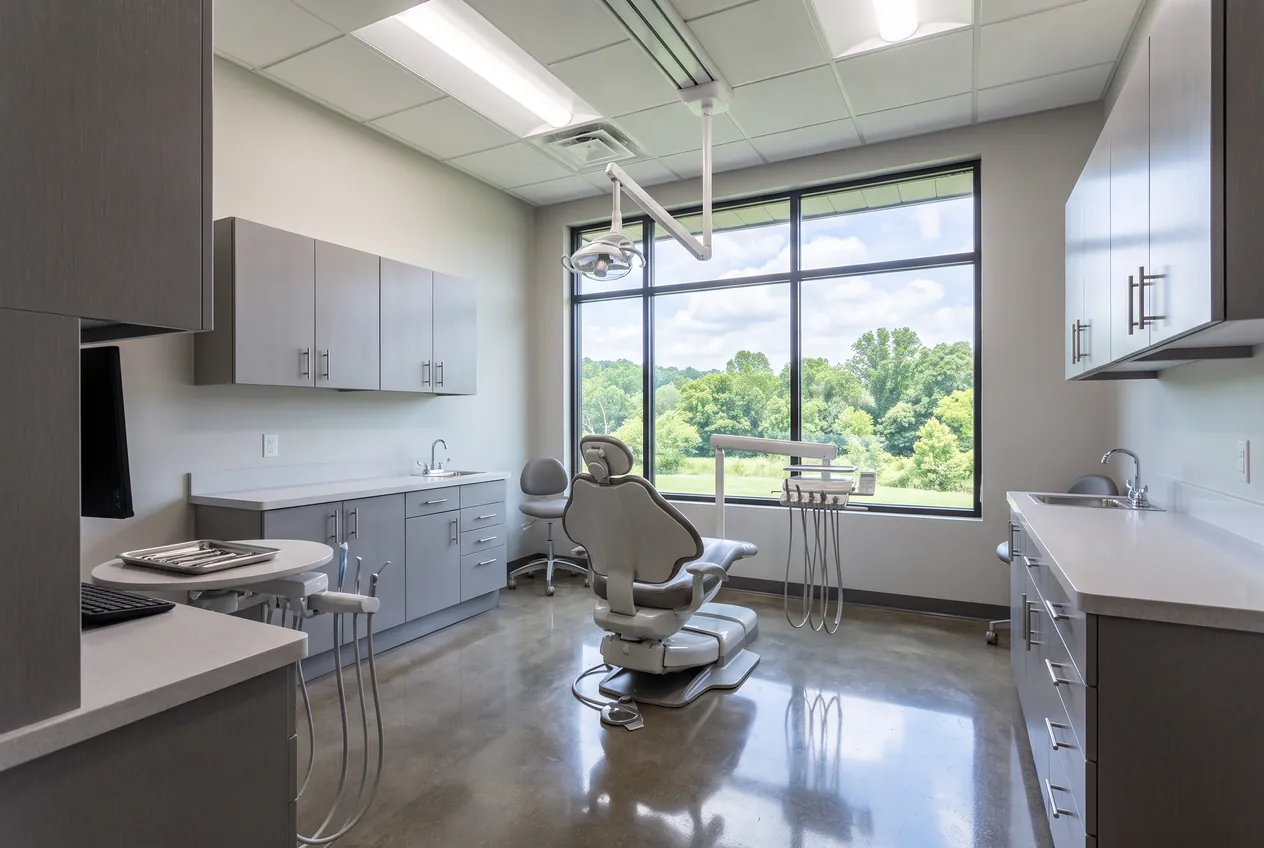
New offices and remodels turn up all over Pulaski and Faulkner counties, from agency and nonprofit suites near the capitol to clinic build-outs in West Little Rock and new commercial space in Conway, Benton and Bryant. Medical spaces deserve extra attention because exam rooms and waiting areas have to be ready for patients the moment the doors open.
Weather plays a part here too. Spring storms track red clay mud across fresh flooring if entrances aren't protected, so ask for walk-off mats or floor protection at the doors until move-in. In the hot, humid summer months, plan the final clean close to turnover, because dust and moisture settle quickly in a space that sits closed up.